
 WeeklySA_Admin
GLOBAL STAGE: The trophies told one story, but the cameras, performances and cultural weight told another — Africa didn’t wait for validation at the 2026 Grammys, it claimed space…
By WSAM Entertainment Correspondent
When the lights dimmed on the 68th Grammy Awards in Los Angeles, the most important verdict of the night did not rest in a single envelope. It emerged gradually, across performances, camera choices, category weight and cultural posture. Africa did not leave the Grammys validated. It left the Grammys changed.
For African audiences watching through the early hours of Monday morning, the question was never simply who won. It was whether the industry’s most powerful stage would finally reflect what global listeners already know: that African music is no longer a guest in popular culture — it is part of the architecture.
On that test, the 2026 Grammys delivered.
Beyond the headline winners
As expected, the night’s major categories remained anchored by established American heavyweights, with Kendrick Lamar emerging as a central figure in the ceremony’s narrative. His presence underscored the Grammys’ continued reliance on lyrical authority and cultural longevity.
But while the top trophies followed familiar patterns, the texture of the night told a different story — one in which African sound, style and confidence were no longer confined to specialist recognition.
The African category — and what it now means
The Best African Music Performance award once again commanded attention, not because it needed justification, but because it has become a genuine contest among global peers. Whether viewed through legacy acts or newer voices, the category now operates as a launchpad rather than a label.
What mattered most was not the name on the trophy, but the context around it: serious airtime, strong production value, and framing that treated African music as contemporary global culture — not heritage display.
That shift is subtle, but decisive.

Tyla and the posture
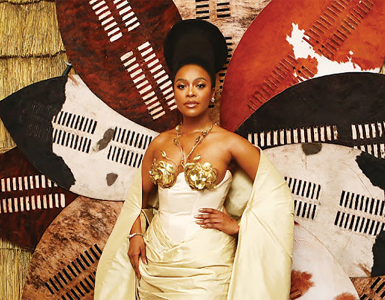
For South African viewers, Tyla’s presence captured the night’s deeper meaning. She did not arrive framed as “Africa’s hope” or “a breakout moment.” She arrived as an artist whose place on the global stage was assumed.
This distinction matters.
For decades, African artists were invited to global platforms with an expectation of translation — of sound, identity, even ambition. On this Grammy night, that burden was noticeably absent. The posture was confident, the framing contemporary, the language unqualified.
It was not a breakthrough moment. It was consolidation.
Africa everywhere
Perhaps the clearest signal of progress lay outside Africa-specific categories. African rhythms, production choices and stylistic cues were woven throughout the ceremony — in pop, R&B and hip-hop performances that made no attempt to explain their sources.
This is the point Africa has been moving toward: influence so embedded it no longer needs naming.
What once appeared as “Afrobeats crossover” or “amapiano influence” now functions as mainstream musical grammar. The Grammys did not introduce this reality; they caught up to it.
Noah’s full-circle
Hosting duties once again fell to Trevor Noah, whose expected final turn as Grammys emcee carried quiet symbolism. His tenure began at a time when African presence on the show was still emerging. It ends with Africa firmly inside the narrative.
Noah was not framed as a novelty or a global outsider. He was treated as institutional — trusted with tone, pacing and authority. His departure felt less like an exit and more like a handover, coinciding neatly with Africa’s transition from representation to participation.
What the Grammys didn’t say
The Grammys are often criticised for what they overlook. This year, the louder story was what they no longer could. African music’s scale, audience and economic force have outgrown marginalisation.
Streaming numbers, touring demand and diaspora markets have already rewritten the map. The Grammys responded accordingly — not with radical reinvention, but with visible accommodation.
That, too, is a form of admission.
The verdict
If the question going into the night was whether Africa would be seen, the answer is now settled. The better question is what comes next.
Recognition is not ownership. Visibility is not equity. Structural imbalances — in publishing, touring access and industry control — remain unresolved. But the cultural argument has shifted decisively.
African artists are no longer waiting to be discovered. They are negotiating terms.
The 2026 Grammys did not crown Africa. They acknowledged what the world has already accepted.
Africa is no longer visiting the room. It holds its seat — and knows it.