
 WeeklySA_Admin
EFFECTS: The edible mushroom is being marketed for focus, mood and immunity. A dietetics specialist says consumers should examine supplement labels carefully, while researchers call for larger human studies…
By Weekly SA Mirror
Lion’s Mane is moving from the kitchen into the supplement aisle, where products containing the distinctive white mushroom are promoted to people seeking better focus, mental clarity and mood.
The claims have attracted attention, but the evidence for those benefits in humans is still developing.
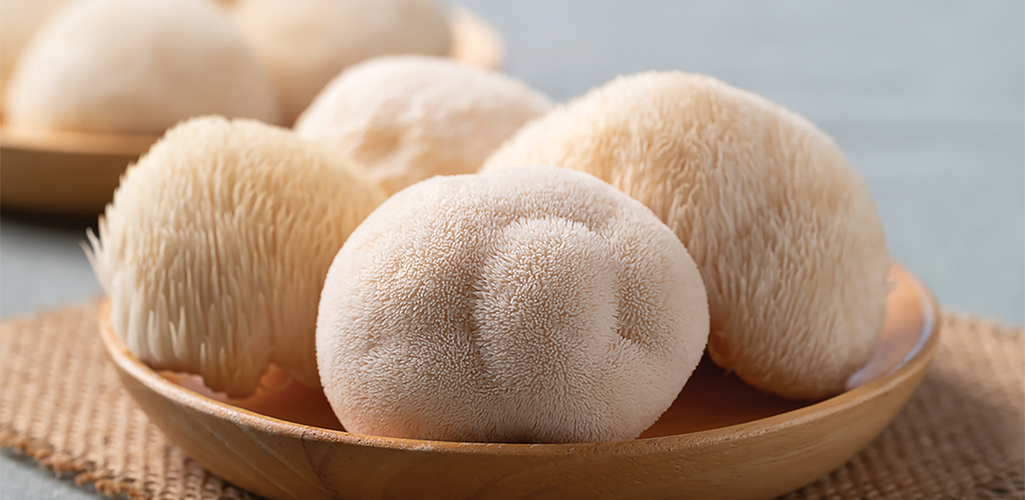
The mushroom, known scientifically as Hericium erinaceus, has long been eaten and used in traditional practices in parts of Asia. Its name comes from the soft white strands that hang from it.
More recently, researchers have studied compounds in the mushroom for their possible effects on the brain and nervous system.
Andy Moore, an MSc-qualified dietetics specialist and research, development and quality control manager at supplement company FoodGrown, says the interest reflects a growing concern with cognitive wellbeing.
In a release to Weekly SA Mirror, Moore describes Lion’s Mane as a food with a history of use that is now available in capsules and extracts.
Researchers are particularly interested in compounds called hericenones and erinacines and their possible relationship with nerve growth factor, a protein involved in the maintenance of nerve cells.
That proposed mechanism, however, does not establish that taking a Lion’s Mane supplement will improve a person’s concentration or protect their long-term brain health.Small human studies have reported some encouraging findings on cognition, stress or mood, but their results are not enough to settle the question.
A 2023 pilot study in young adults called for larger trials, while a 2025 study of a standardised extract said further research was needed on longer-term use and appropriate doses.
Claims about immune support also need care. Lion’s Mane contains polysaccharides, including beta-glucans, that have attracted scientific interest. Their presence in a product does not, on its own, show that the product will strengthen a consumer’s immune response.
Moore urges consumers to look beyond the number of milligrams printed on a supplement label. Dried mushroom powder and a concentrated extract are different preparations, making direct comparisons difficult. Buyers should check what part of the mushroom is used, what the serving contains and whether the label explains how the extract is standardised.
Moore’s employer sells a Lion’s Mane extract described as standardised to 40% polysaccharides, with a recommended serving of two capsules daily. Those are product specifications supplied by the company; they should not be read as proof of a clinical benefit.
For people who can obtain it fresh, Lion’s Mane can also be cooked and eaten. Moore says supplements should be considered alongside ordinary health habits such as adequate sleep, balanced meals, exercise and stress management.
Lion’s Mane is generally considered safe as a food, but supplement users may experience side effects. Memorial Sloan Kettering Cancer Centre notes reports of abdominal discomfort, nausea and skin rash and advises people to speak to a healthcare provider before taking a supplement.
For now, the mushroom is a subject of research rather than a proven answer to poor focus or low mood. Consumers weighing a purchase have good reason to read the label and treat promises of broad health benefits with caution.