 WeeklySA_Admin
VOLUME: The real spectacle is no longer inside the hearing room, but in the frenzy of half-formed analysis and digital theatrics that threaten to blur fact, fiction, and accountability…
By Mokone Molete
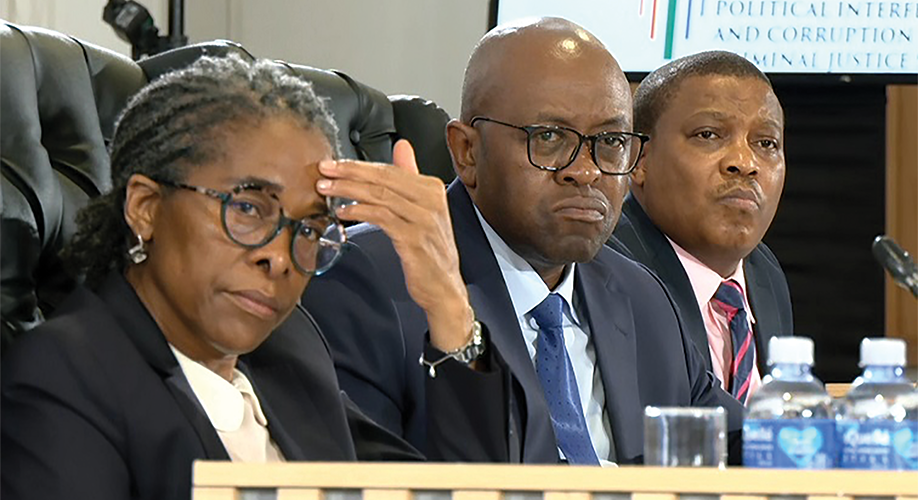
If ever there were a moment to reflect on the uneasy marriage between artificial intelligence and very human foolishness, the Madlanga Commission of Inquiry has delivered it in full spectacle.
Not from the hearings themselves – those have, at least, exposed a troubling parade of individuals whose conduct raises serious questions about how public money has been handled. Unlike the many commissions before it, this one carries the promise – however cautiously we may receive it – of real consequences.
No, the real theatre lies elsewhere.
It lies in the sprawling ecosystem of commentary that has metastasised around the Commission. From mainstream broadcasters to an ever-growing army of YouTube opportunists, everyone now fancies themselves a court-side analyst in a matter that demands far more restraint than it receives.
Let’s start with the obvious: the hearings are publicly available. Anyone with the patience can watch them unfold in full. But patience, it seems, is in short supply. Instead, we are treated to a conveyor belt of “expert analysis” – a term now stretched so thin it risks meaning nothing at all. Every evening, panels assemble with great urgency to interpret proceedings that are, by design, incomplete. Conclusions are drawn before evidence settles, and speculation masquerades as insight.
It is not analysis. It is performance.
And then, there is YouTube – the wild frontier where nuance goes to die.
Here, the Commission is repackaged into bite-sized outrage: distorted thumbnails, sensationalist captions, and AI-generated dramatics that bear only a passing resemblance to reality. Headlines scream of confrontations that never happened, tempers that never flared, and scandals that exist only in the imagination of the uploader:
“I AM THE BOSS HERE!”
“SHOCKING MELTDOWN!”
“NEARLY STRANGLED!”
It would be amusing if it weren’t so corrosive.
This is not journalism; it is amplification without responsibility. A hall of mirrors where distortion feeds on distortion until the original event is barely recognisable.
Of course, this is the price of a free and open media landscape. Anyone can broadcast. Anyone can opine. But freedom of expression is not a substitute for credibility, and volume is not a proxy for truth.
The tragedy is not that these voices exist – it is that they increasingly drown out those that strive for accuracy and restraint.
In the end, the Madlanga Commission may well produce findings of consequence. Whether the public is still able to distinguish those findings from the surrounding noise is another matter entirely.
* Mokone Molete is a veteran journalists