 WeeklySA_Admin
DORMANT: Breakthrough research reveals how some patients naturally suppress HIV—and how a common diabetes drug could help achieve the same effect, offering hope to millions living with the disease…
By WSAM Correspondent
Scientists have uncovered why a small group of people can control HIV even after stopping treatment, pointing to a potential future where lifelong medication may no longer be necessary.
For decades, the global fight against HIV has been defined by one hard truth: treatment is for life. Stop taking antiretroviral therapy (ARV), and the virus almost always comes roaring back within weeks.
But a growing body of research is beginning to challenge that certainty.
A new study has uncovered why a rare group of people living with HIV are able to keep the virus under control long after stopping treatment—offering a glimpse of what scientists call a “functional cure.” Instead of eliminating HIV entirely, the goal is to keep it permanently dormant, unable to reactivate or cause harm.
The study found that metformin—a widely used diabetes
drug—can activate one of these genetic
locks, helping to keep HIV dormant in laboratory conditions…
Yet, the research is still in its early stages, and clinical trials will be needed to determine whether these approaches work safely in real-world settings.
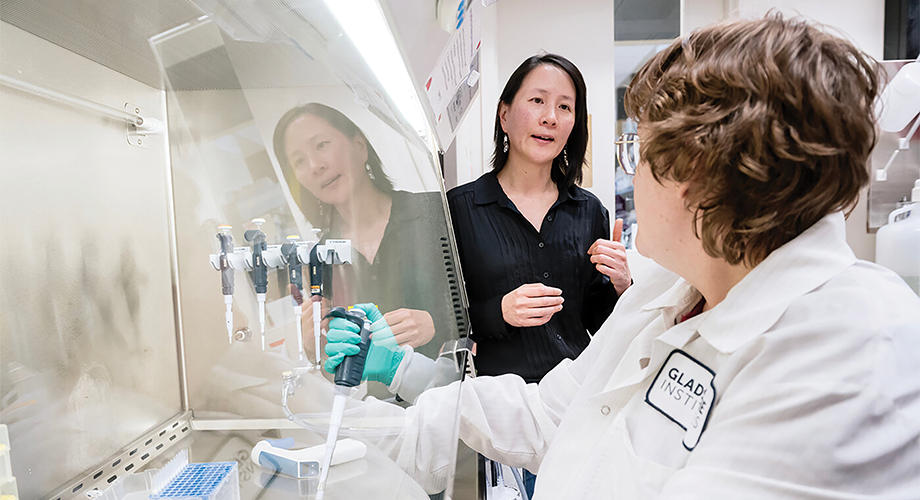
The findings, led by researchers at the Gladstone Institutes and published in Immunity, point to a combination of immune system strength and genetic “switches” inside infected cells that effectively lock the virus in a silent state.
At the centre of the discovery are two genes—DDIT4 and ZNF254—which appear to act like internal security systems. When highly active, these genes prevent HIV from reawakening, even when treatment is paused.
This “block and lock” approach is emerging as one of the most promising strategies in HIV research: instead of chasing the virus, scientists aim to trap it.
The study found that metformin—a widely used diabetes drug—can activate one of these genetic locks, helping to keep HIV dormant in laboratory conditions.
The implications are profound. A drug already available in clinics worldwide could, in time, form part of a new treatment strategy that reduces dependence on daily HIV medication.
Researchers also identified key immune cells linked to delayed viral rebound. Patients who remained stable for months without treatment showed higher levels of so-called “stem-like” CD8+ T cells—long-lasting immune cells capable of sustaining the body’s defence over extended periods. Others had unique forms of natural killer cells, suggesting that the immune system’s architecture itself may hold part of the answer.
Taken together, the findings suggest there may not be a single pathway to controlling HIV—but rather a combination of biological mechanisms that can be harnessed.
South African HIV scenario
For countries like South Africa, which carries one of the world’s highest HIV burdens, the potential impact is significant. A future in which patients no longer rely on strict daily adherence to ART would not only transform individual lives, but also ease pressure on public health systems.
South Africa remains at the epicentre of the global HIV response. An estimated 7.8 million people are living with HIV in the country—one of the highest burdens worldwide.
Over the past two decades, this reality has driven the development of the largest antiretroviral treatment programme on the planet, a public health achievement that has saved millions of lives and transformed HIV from a fatal diagnosis into a manageable condition.
But that success comes with an ongoing commitment. Millions of South Africans rely on daily antiretroviral therapy (ART) to keep the virus suppressed. The system depends on consistent access to medication, strong healthcare infrastructure, and—crucially—lifelong adherence by patients.
This is what makes the latest scientific developments so significant. Any breakthrough that could reduce dependence on daily treatment would not only change individual lives, but also reshape the long-term sustainability of one of the world’s most critical public health programmes.
After decades of managing HIV as a chronic condition, science may be edging closer to something more ambitious: a future where the virus can be controlled by the body itself. Science X/WSAM
What Is a “Functional Cure” for HIV?
A functional cure for HIV does not mean the virus is completely eliminated from the body. Instead, it means HIV is controlled so effectively that it remains inactive—without the need for ongoing daily treatment.
In people living with HIV, the virus hides in so-called “reservoir” cells, where it can lie dormant for years. This is why antiretroviral therapy (ART) must be taken consistently: if treatment stops, the virus usually reactivates and begins replicating again.
A functional cure aims to change that dynamic.
Rather than trying to remove HIV entirely—a challenge scientists have struggled with for decades—researchers are exploring ways to “lock” the virus in its dormant state, preventing it from ever reawakening. This strategy is often referred to as “block and lock.”
If successful, a functional cure would allow people living with HIV to:
• Stop daily medication
• Avoid viral rebound
• Live without the long-term burden of treatment
Importantly, they would also be far less likely to transmit the virus.
This approach is inspired in part by “elite controllers”—a rare group of individuals whose immune systems naturally suppress HIV without treatment.